The Decoherence Trap: When AI slop drowns out the signal in an endless sea of noise
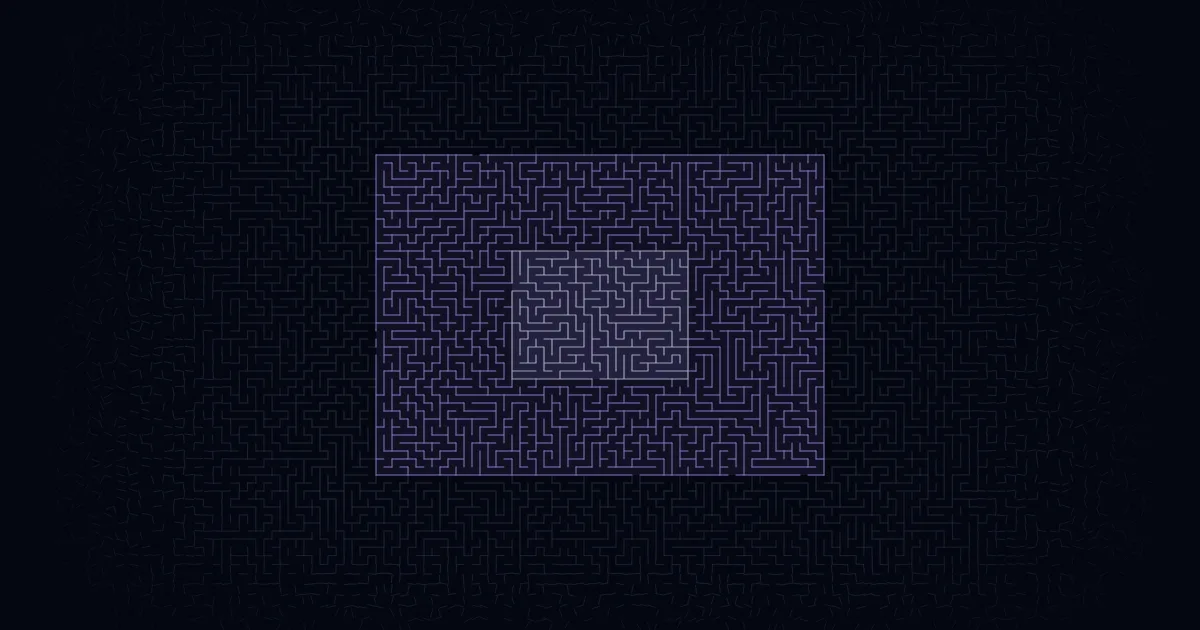
This essay introduces the concept of decoherence: the accumulation of locally valid but mutually incompatible or redundant models within a system, such that the cost of change is dominated by translating among those models and preventing unintended side-effects.
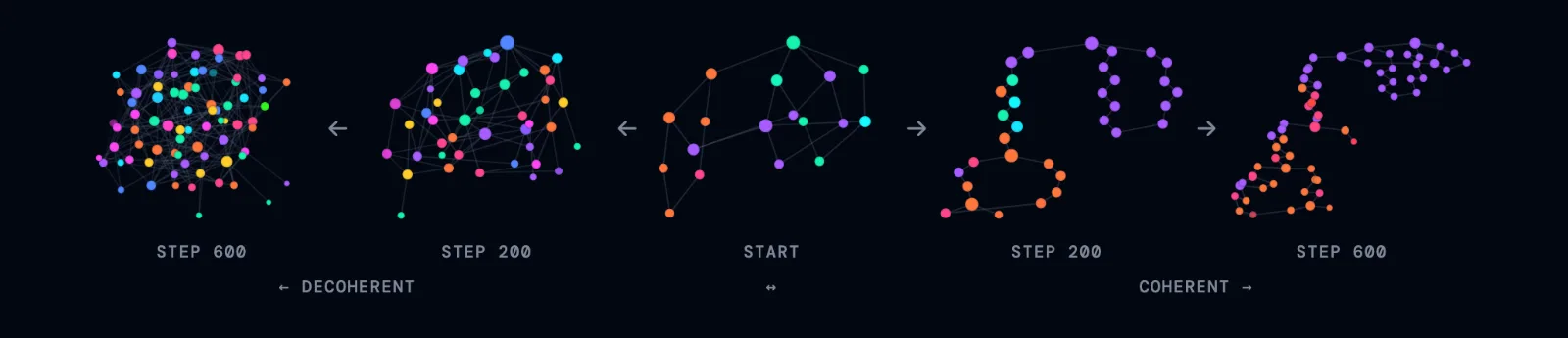
In other words, it's what happens when slop drowns out the signal in an endless sea of noise.
Decoherence grows relative to the rate of change of a system, and it increases faster the more decoherent a system is, resulting in runaway exponential growth. It is not a new phenomenon, and humans have always countered it through carefully finding ways to do more with less, unifying disparate patterns and models into a cohesive whole. However, the widespread use of AI is currently producing it at a rate that is unsustainable.
The good news is that this rules out the specter of runaway recursive self-improvement, the intelligence explosion that goes parabolic before anyone can react, as decoherence both prevents AI from improving in a bubble and limits the rate at which it can improve outside of it. The bad news is that we are barreling toward a different kind of disaster: Decoherence Collapse.
Read the full essay on my blog (I would copy it here, but the formatting and simulations are custom coded so can't really do that unfortunately): https://maevyn.codes/decoherence